
Category: Mammals
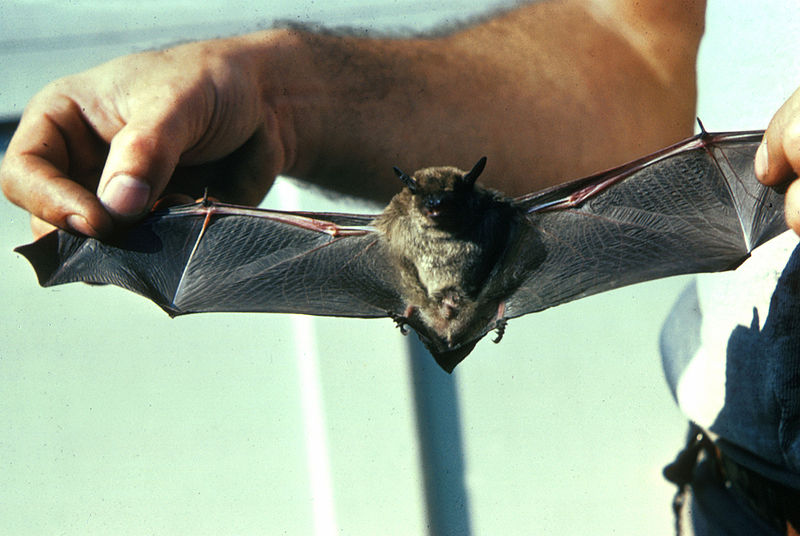
One of the most common of North American bats, this species belongs to the genus known as “mouse-eared bats.” Little brown bats are not true hibernators, since they will emerge from their torpor on warm days in winter to hunt for insects who have also emerged as a result of warmer temperatures. Since many of their insect prey (such as mosquitos and mayflies) have aquatic life cycles, these bats prefer to roost near water. These bats are considered valuable to agriculture, since they eat many species of agricultural pests.
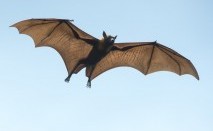
Bats: The Only True-Flying Mammal
Bats, the only mammal capable of true flight, are not blind - their eyes are just fine, thank you very much. But instead of eyes, most bats rely on an incredibly fine-tuned sense of hearing when they fly and hunt. Using a technique called echolocation, they emit high-pitched calls (usually above the range of human hearing), using the echos that are reflected back to them as a means of navigation and locating objects. The ears, auditory cortex, and (in a few cases) even noses of some bats are extraordinarily specialized for echolocation; there are even bats that have adapted the frequency of their calls to frequencies above or below what their favorite prey can hear!
Learn more >>
 Discover Animals is a web-based educational resource offered by the NAIA
