
Category: Mammals
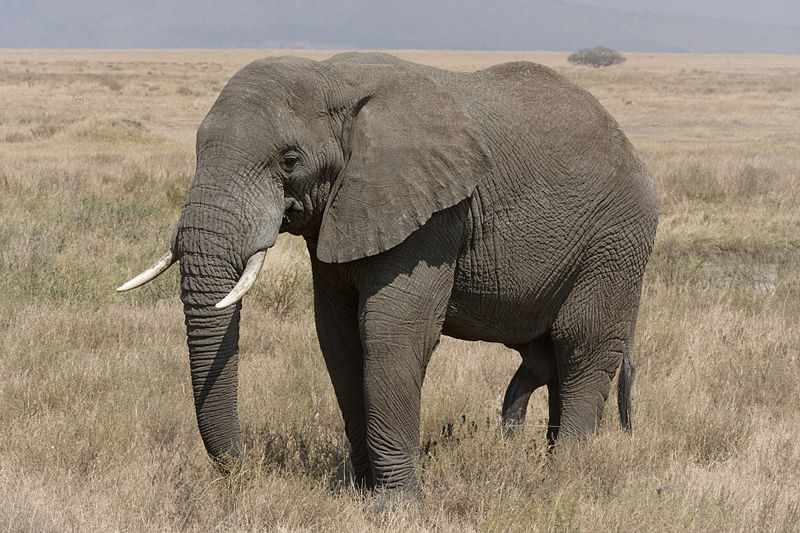
These charismatic giants are the largest living terrestrial animals, with an average height between 9.2 and 10.8 feet at the shoulders. They are immediately distinguishable from their Asian relatives by their large ears used for radiating excess heat. Individuals in the wild can survive to be around 70 years old, or until the last of their sets of molars has been worn down and they are unable to feed correctly. They typically eat around 500 pounds of plant matter a day and, because they wander so far and wide, are important for dispersing seeds via their excrement.
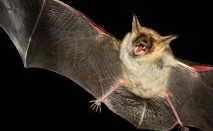
The age-defying Brandt’s bat
In most mammals, larger size correlates with longer lifespan, but that is not the case with the Brandt’s bat, who can live up to 41 years and weigh less than 0.28 ounces! These bats resemble larger, longer-lived mammals in that they mature slowly and have fewer offspring – but the size difference is dramatic: a female Bonobo lives for approximately 40 years as well, but she outweighs the Brandt’s bat by a factor of 3,771! Oddly enough, it is suspected that the mutated gene that causes the bat’s dwarfish size is the same one that leads to its long lifespan. Studying animals with unusual longevity like the Brandt’s bat does more than just satisfy our curiosity, it could lead to longer, healthier lifespans for humans and other animals!
Learn more >>
 Discover Animals is a web-based educational resource offered by the NAIA
