
Category: Mammals

These large ungulates have been domesticated for more than 10,000 years. All the 1.3 billion cattle in the world are thought to have originated from 80 progenitors in Turkey. Humans raise and use them for a variety of uses and products including meat, dairy products, leather, and as draft animals. Cattle are ruminants, which means they have a digestive system that allows them to eat poorly digestible plants as food. In addition to having a stomach with four specialized compartments, cattle regurgitate and chew their food, or “cud,”as an extra stage of digestion.
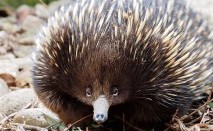
A 200 Million Year-old Iconoclast
If a defining trait of mammals is that they give live birth to their young, how do you explain monotremes? Monotremes are mammals that lay eggs like a reptile, rather than giving birth to live young. Living examples of these unusual animals can only be found in Australia and New Guinea today, though they used to be more widespread. A monotreme egg has less yolk for supplying nutrients than a reptile egg, and when a young echidna or platypus hatches, it is very tiny and less developed than its reptile counterpart. But monotreme babies are able to grow and thrive because their mothers stay with them, lactating to supply vital nutrients for their growth - just like other mammals!
Learn more >>
 Discover Animals is a web-based educational resource offered by the NAIA
