
Category: Reptiles
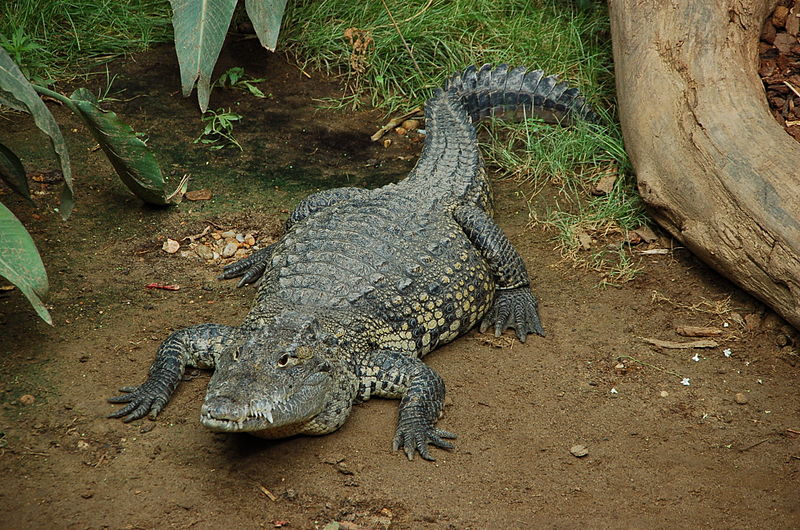
Also, known as the Mexican crocodile, this species inhabits freshwater ecosystems of the Atlantic regions of Mexico, Belize, and Guatemala. It was not until the 1920s that it was recognized as a species separate from the American and Cuban crocodiles, with whom it was long confused. They are opportunistic predators and will eat nearly any prey that they can over-power, including humans.
https://en.wikipedia.org/wiki/Morelet's_crocodile
http://www.aquaticcommunity.com/crocodiles/mexican.php
Here’s blood in your eye!
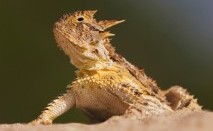
Horned lizards utilize a few tried-and-true ways of avoiding predators: like many other animals, they blend in with their surroundings and can puff themselves up to look larger and more threatening. But what they are best known for is a particularly messy hail-Mary play, where they startle and confuse predators by squiring blood out of their eyes! To accomplish this, the horned lizard increases the blood pressure in its head, rupturing the vessels in its eyelid, at which point a stream of blood, carefully aimed and up to 5 feet in length squirts the offending predator. The horned lizard’s blood is particularly foul to canine and feline (possibly due to the high quantity of venomous harvester ants in its diet), and should provide just enough of a diversion (or aversion!) for the lizard to scurry away and survive another day!
Learn more >>
 Discover Animals is a web-based educational resource offered by the NAIA
