
Category: Mammals
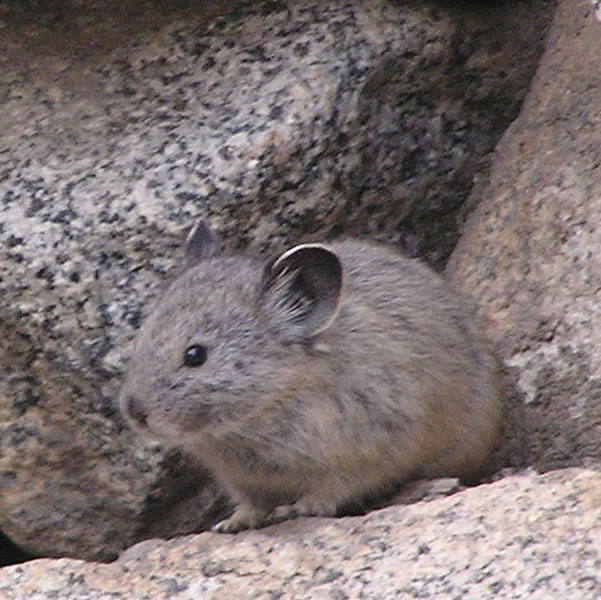
This species of pika is active during the daytime and found in the mountains of Western North America. They are small, herbivorous cousins of rabbits and hares. They can often be seen inhabiting piles of rock in alpine areas and eat a wide variety of green plants including grasses, thistles, sedges, and fireweed. When caching food for winter they stay very busy, making upwards of 100 trips a day gathering plant material for their dens. They are quite selective regarding the nutritional content of the food they collect for storage.
https://en.wikipedia.org/wiki/American_pika
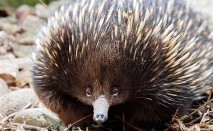
A 200 Million Year-old Iconoclast
If a defining trait of mammals is that they give live birth to their young, how do you explain monotremes? Monotremes are mammals that lay eggs like a reptile, rather than giving birth to live young. Living examples of these unusual animals can only be found in Australia and New Guinea today, though they used to be more widespread. A monotreme egg has less yolk for supplying nutrients than a reptile egg, and when a young echidna or platypus hatches, it is very tiny and less developed than its reptile counterpart. But monotreme babies are able to grow and thrive because their mothers stay with them, lactating to supply vital nutrients for their growth - just like other mammals!
Learn more >>
 Discover Animals is a web-based educational resource offered by the NAIA
