
Category: Invertebrates
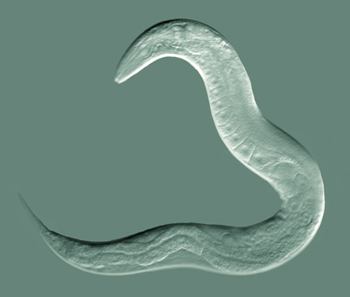
This diverse phylum is made up of an estimated 1 million species of roundworms, many of which are parasitic. Nematodes have adapted to almost every possible habitat on earth, including marine and freshwater habitats, soils, tropical to desert to polar climates, and from very low to very high elevations. They are quite literally everywhere, and they outnumber us and all other animals in species count and actual numbers by a long shot! Species of these slender worms can vary greatly in size, from microscopic proportions to over a meter in length! Widely known roundworms include hookworms, pinworms, whipworms, and the species that causes trichinosis.
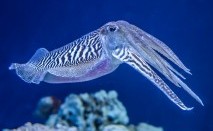
Cephalopods: Masterminds of the Ocean.
Octopi, cuttlefish, and squids - all cephalopods - have been observed engaging in amazing feats of intelligence (perhaps unsurprising, as cuttlefish and octopuses have the highest brain-to-body mass of all invertebrates). Their suction-cup covered arms are dexterous, and octopuses have been observed putting them to use throwing rocks, opening screw-top jars, even picking up and gathering coconut shells to build fortresses for themselves. Squids, for their part, have been observed hunting cooperatively and are able to communicate with one another via color changes, patterns, and flashing to one another - sometimes using different sides of their bodies to broadcast different signals to multiple squids! Just how smart are they? As they are typically elusive and so very different from humans, we aren’t sure yet - but we do know the question is not “Are they intelligent?” but “How intelligent are they?”
Learn more >>
 Discover Animals is a web-based educational resource offered by the NAIA
