
Category: Invertebrates
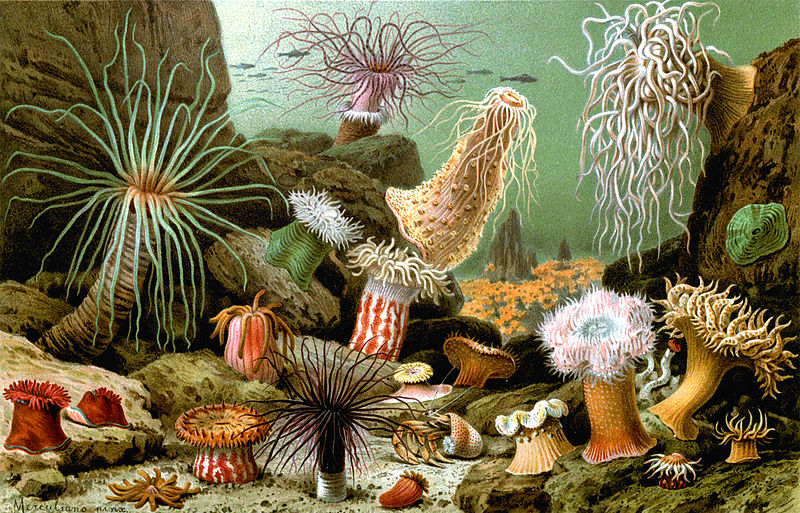
These water dwelling, carnivorous animals are named for a type of flower, no doubt owing to their often colorful flower-like appearances and generally stationary lifestyle. They attach to the substrate with an adhesive foot called their “basal disc,” above which is their body column topped by an “oral disc” surrounded by stinging tentacles. Their diet consists mainly of small fish, shrimp, and other tiny aquatic organisms. With a few highly toxic exceptions, most anemones are harmless to humans. Many sea anemones form a facultative symbiotic relationship with certain single-celled algae species, benefitting from the byproducts of the alga’s photosynthetic processes.
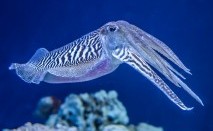
Cephalopods: Masterminds of the Ocean.
Octopi, cuttlefish, and squids - all cephalopods - have been observed engaging in amazing feats of intelligence (perhaps unsurprising, as cuttlefish and octopuses have the highest brain-to-body mass of all invertebrates). Their suction-cup covered arms are dexterous, and octopuses have been observed putting them to use throwing rocks, opening screw-top jars, even picking up and gathering coconut shells to build fortresses for themselves. Squids, for their part, have been observed hunting cooperatively and are able to communicate with one another via color changes, patterns, and flashing to one another - sometimes using different sides of their bodies to broadcast different signals to multiple squids! Just how smart are they? As they are typically elusive and so very different from humans, we aren’t sure yet - but we do know the question is not “Are they intelligent?” but “How intelligent are they?”
Learn more >>
 Discover Animals is a web-based educational resource offered by the NAIA
