
Category: Reptiles
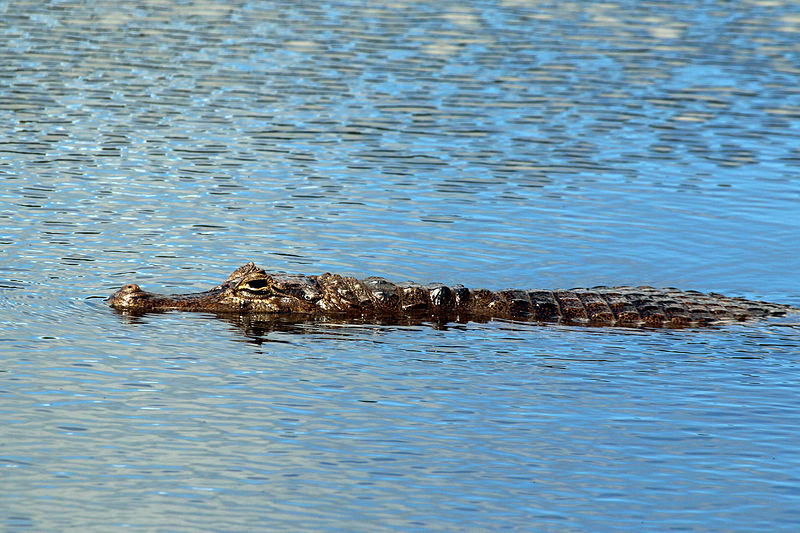
This species is widespread throughout Central and South America and is actually the most common crocodilian. They are small to mid-size, generally not exceeding 7 feet, and named for the bony ridge between its eyes. The spectacled caiman’s success as a species is attributed to its highly generalized diet and adaptive ability.
https://en.wikipedia.org/wiki/Spectacled_caiman
https://sta.uwi.edu/fst/lifesciences/documents/Caiman_crocodilus.pdf
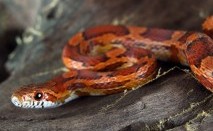
Please stop blaming snakes for everything
From Medusa to the Bible to Harry Potter, snakes have a bad reputation, but the vast majority are quite harmless - in fact, only about 20% of snakes are venomous, and the bites of less than 7% of snakes are considered medically important! Aside from venomous snakes, there are a few large constrictors that are dangerous, as well. But the truth is that the vast majority of snakes you come across in the wild would prefer to stay out of your way and be left alone! Even in Australia, the only continent in the world where venomous snakes outnumber the non-venomous, there are only 2-4 deaths by snake recorded each year. You are far more likely to be die from a bee sting - or another human - than be hurt by a snake!
Learn more >>
 Discover Animals is a web-based educational resource offered by the NAIA
