
Category: Mammals
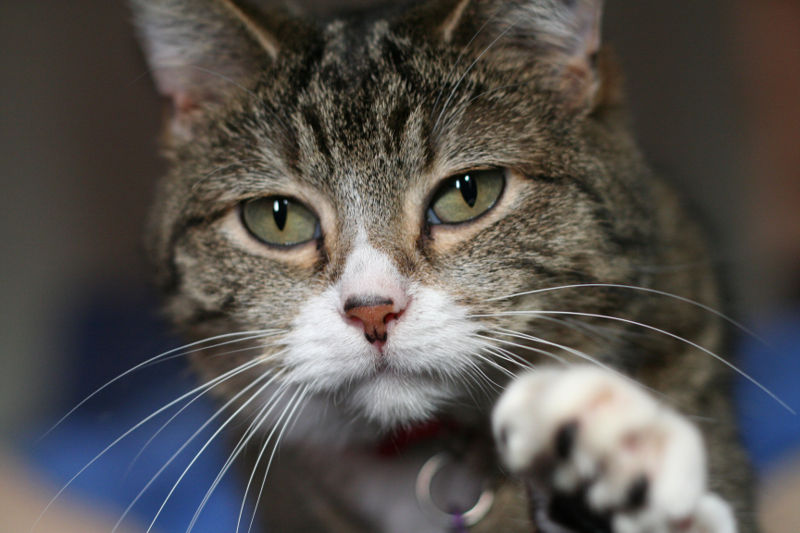
Domestic cats are widely thought to have descended from the African wildcat (Felis sylvestris lybica), a species first domesticated about 10,000 years ago in the Middle East. They are thought to have been tolerated by ancient humans since they hunted vermin and eventually, through natural selection, diverged from their wild ancestors. Compared to dogs, cats have not undergone a great deal of change during the domestication process – they still retain their general wild form, hunting instincts, and highly acute senses. Even though cats sometimes live in colonies, they do not have a pack instinct and always hunt alone.
Related Cat Breeds:
Related Cat Links:

Wake me in 9 months…
There may be times when you are so tired you feel as if you could sleep for several days - but of course that is not possible without dying from dehydration. However, some mammals have such fine control over their metabolisms, they are capable of nodding off for days or even months, in a state called hibernation. This helps an animal survive during cold periods when food is scarce. A prime example is the alpine marmot who can hibernate for up to 9 months of the year: gathering food and adding about 50% more body weight (primarily fat) as summer ends, the alpine marmot seals itself in a deep burrow, heart rate slowing to five beats per minute, breathing as little as once per minute - emerging (far lighter!) in May, when food is once again available!
Learn more >>
 Discover Animals is a web-based educational resource offered by the NAIA
